
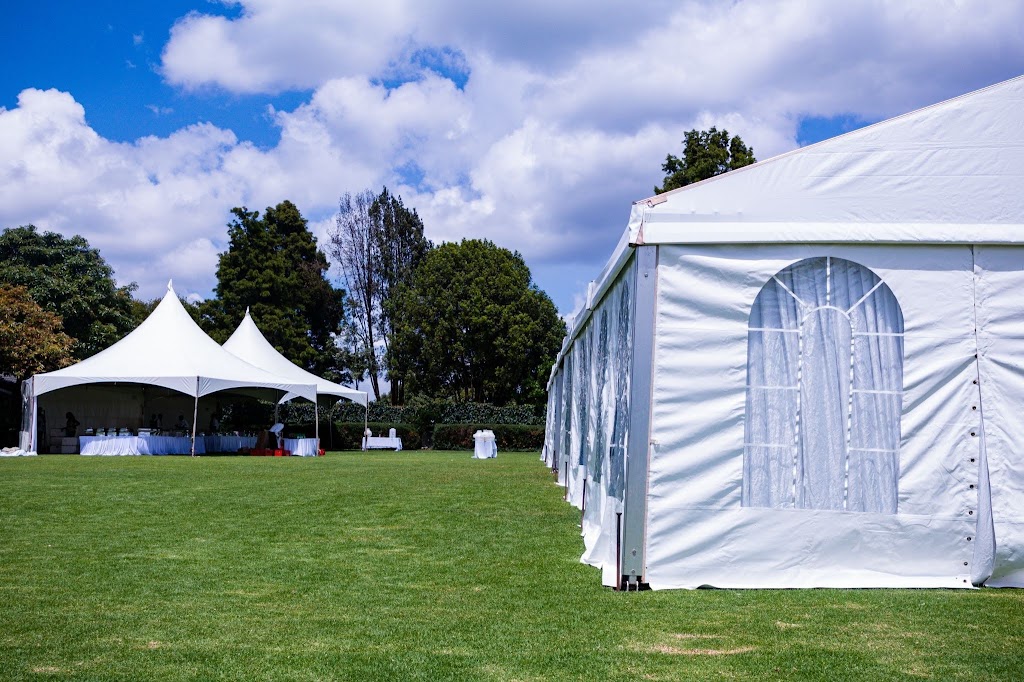
Picture a quintessential summer afternoon in the Greater Philadelphia area. The historic stone venues of Bucks County are bathed in golden sunlight, the rolling hills of Chester County offer a picturesque backdrop, and a gentle breeze rustles through the trees. It is the absolute perfect setting for an outdoor wedding, a corporate milestone picnic, or a backyard family milestone.
But as the clock ticks toward late afternoon, the reality of a mid-Atlantic summer sets in. The temperature climbs past 90 degrees, the humidity rolls off the Delaware River, and the air thickens and grows heavy.
Without proper preparation, that beautiful white event tent can quickly turn from a luxurious canopy into a stifling, humid greenhouse. Instead of dancing, mingling, or enjoying the catering, your guests are left fanning themselves with program fans, hunting for ice water, and secretly eyeing the air-conditioned sanctuary of their cars.
A stifling environment can quietly deflate the energy of even the most meticulously planned gathering. Fortunately, you do not have to let extreme summer heat dictate the success of your celebration. Proactive climate control is the ultimate secret to guest comfort and an unforgettable summer gathering. By using strategic layouts and the right rental accessories, you can create a refreshing, breezy oasis beneath your canopy.
Here are five expert strategies to keep your summer tent rental cool, comfortable, and functional all day long.
1. The Strategic Use of Sidewalls
When people think of tent sidewalls, they usually picture them as a defense mechanism against heavy rain or freezing autumn wind. However, solid white or windowed sidewalls are among your most powerful weapons against intense summer heat. The trick lies in understanding the sun’s movement and using walls selectively.
During a blistering July afternoon, direct sunlight acting on the side of a tent creates a massive radiant heat load. By hanging solid or cathedral-window sidewalls strictly on the side of the tent facing the direct sun, you effectively create a giant sunshield. This blocks the harsh UV rays from heating up the interior air and the ground beneath the tent.
The secret to this strategy is leaving the shaded sides of the tent completely open. By blocking the direct sun on one side while keeping the remaining sides open, you invite natural cross-breezes to sweep through the structure, actively pushing hot air out and keeping the ambient temperature significantly lower.
2. Calculating and Positioning Fans
Air that stays completely still will rapidly feel heavy and humid. To prevent that stagnant, oppressive atmosphere, you need continuous air circulation. This is where professional-grade tent fans become essential. Standard household box fans or retail pedestal fans simply lack the static pressure and CFM (cubic feet per minute) required to move air effectively through a massive outdoor canopy.
For smaller tent configurations, heavy-duty pedestal fans placed strategically in the corners can push air in a gentle, circular pattern around the perimeter. For larger structures, pole-mounted or rafter-mounted fans are an even better choice. By mounting oscillating fans up high along the tent’s structural frame, you can direct high-velocity airflow down onto your guests without creating unsightly floor hazards or blocking walkways.
As a general rule of thumb, you should plan for at least one high-velocity fan for every 20 to 30 feet of tent length, depending on the layout of your tables and dance floor. Proper positioning ensures that whether your guests are sitting down for dinner or breaking a sweat on the dance floor, they are always within reach of a crisp, refreshing breeze.
3. When to Upgrade to Portable AC Units
While open sidewalls and high-velocity fans work wonders on a standard 85-degree day, there are times when Mother Nature demands heavy-duty reinforcement. When the Greater Philadelphia region plunges into a prolonged heatwave, fans alone will simply circulate hot, sticky air.
If your event features formal attire (such as a black-tie wedding), tech-heavy corporate AV presentations, or delicate catering like chocolate fountains and tiered buttercream cakes, upgrading to commercial portable air conditioning units is a necessity.
To make air conditioning truly effective, the tent must be fully enclosed with solid sidewalls and properly weighted or staked to minimize gaps. Industrial, whisper-quiet AC units sit discretely outside the tent perimeter, pumping massive volumes of chilled, dehumidified air through specialized ductwork under the sidewalls. If your event falls between late June and mid-August, and guest comfort is your absolute highest priority, investing in a climate-controlled tent provides total peace of mind, no matter what the local weather forecast says.
4. The Greenhouse Effect of Clear-Top Tents
Clear-top tents are stunningly beautiful. They offer an elegant, modern aesthetic that allows guests to look up at the blue summer sky during the day and dine beneath a canopy of stars at night. However, from an engineering perspective, a clear-top tent in the middle of a direct July afternoon acts exactly like a greenhouse. The clear vinyl material traps solar radiation, which can quickly cause temperatures inside the tent to rise by 10 to 15 degrees above the actual outdoor temperature.
If you have your heart set on a clear-top tent for a mid-summer date, you must plan your timeline and logistics with extreme precision. Experienced event planners know that clear-top tents should ideally be used for evening affairs when the main guest arrival is close to or after sunset.
If daytime use is unavoidable, you must pair the tent with robust commercial AC units or position the structure entirely within the natural shade of mature trees or historic buildings to block the punishing midday sun.
5. Hydration and Layout Zones
Beating the heat isn’t just about the tent’s structural mechanics; it is also about how you design your event’s flow. When laying out your floor plan, think intentionally about temperature zones.
Consider creating dedicated shade structures nearby or extending a secondary canopy specifically for hydration stations. These areas should be heavily stocked with ice-cold water, infused fruit juices, and chilled towels. Keeping your guests hydrated from the inside out goes a long way in helping them manage the outdoor climate.
Additionally, pay close attention to your catering and food preparation zones. Buffet lines, carving stations, and bar areas naturally generate heat from equipment and congregating crowds. Position these stations away from the center of the main tent and right next to your active cooling elements or open-air cross-breezes. By keeping the food prep zones extra cool, you protect food safety while ensuring the main seating area remains as comfortable as possible.
Partner with Philly’s Summer Event Experts
Managing the microclimate of a large temporary structure is a precise science. It involves calculating thermal loads, balancing electrical requirements for heavy-duty equipment, and understanding how wind and sun interact with vinyl structures. Attempting a DIY approach with retail extension cords and household fans is not only ineffective, but it can also pose serious electrical and tripping hazards for your guests.
Partnering with a full-service rental expert ensures that all your cooling equipment is mathematically sized for your specific guest count, perfectly tailored to your venue’s unique terrain, and installed with the highest safety standards.
At Tents & Events, we help you engineer a flawless guest experience. From selecting the ideal heavy-duty frame tent to strategically installing quiet, high-efficiency fan packages and full-scale climate control systems, our experienced local team handles every logistical detail.
Don’t let a mid-summer heatwave melt away your hard work. Contact Tents & Events today to speak with our local rental specialists and secure your summer climate control package for your upcoming Southeastern PA event!


